
Best Vintage Two-Seat Airplanes for Private Owners: What Actually Matters
Vintage two-seat airplanes remain attractive for one simple reason: they still solve real ownership problems. For pilots who do not need four seats, six seats, or heavy-load utility, an older two-seat aircraft can deliver accessible ownership, manageable operating costs, and some of the most honest flying in general aviation.
But “best” is the wrong word if it is reduced to a popularity contest. The best vintage two-seat airplane is the one that matches your mission, maintenance tolerance, support access, and skill level. On HangarVault, that is the real lens buyers should use when comparing familiar names like the Cessna 150, Grumman AA-1A, and Piper Tomahawk.
A cheap purchase price can hide a weak support position. A beloved type can still be wrong for your mission. And a fun airplane can become the wrong airplane if you expect it to do more than it was built to do.
What Matters More Than the Name
Before looking at specific models, buyers should decide what they actually value. Are you buying for local proficiency flights, primary training, tailwheel transition, personal weekend trips, or pure recreational enjoyment? How much downtime can you tolerate? How much modernization are you willing to fund after closing?
Those answers matter more than brand loyalty. A common aircraft with good records and sensible equipment is often a better buy than a more charismatic aircraft with thin documentation and hidden maintenance exposure.
Cessna 150: The Stability Choice
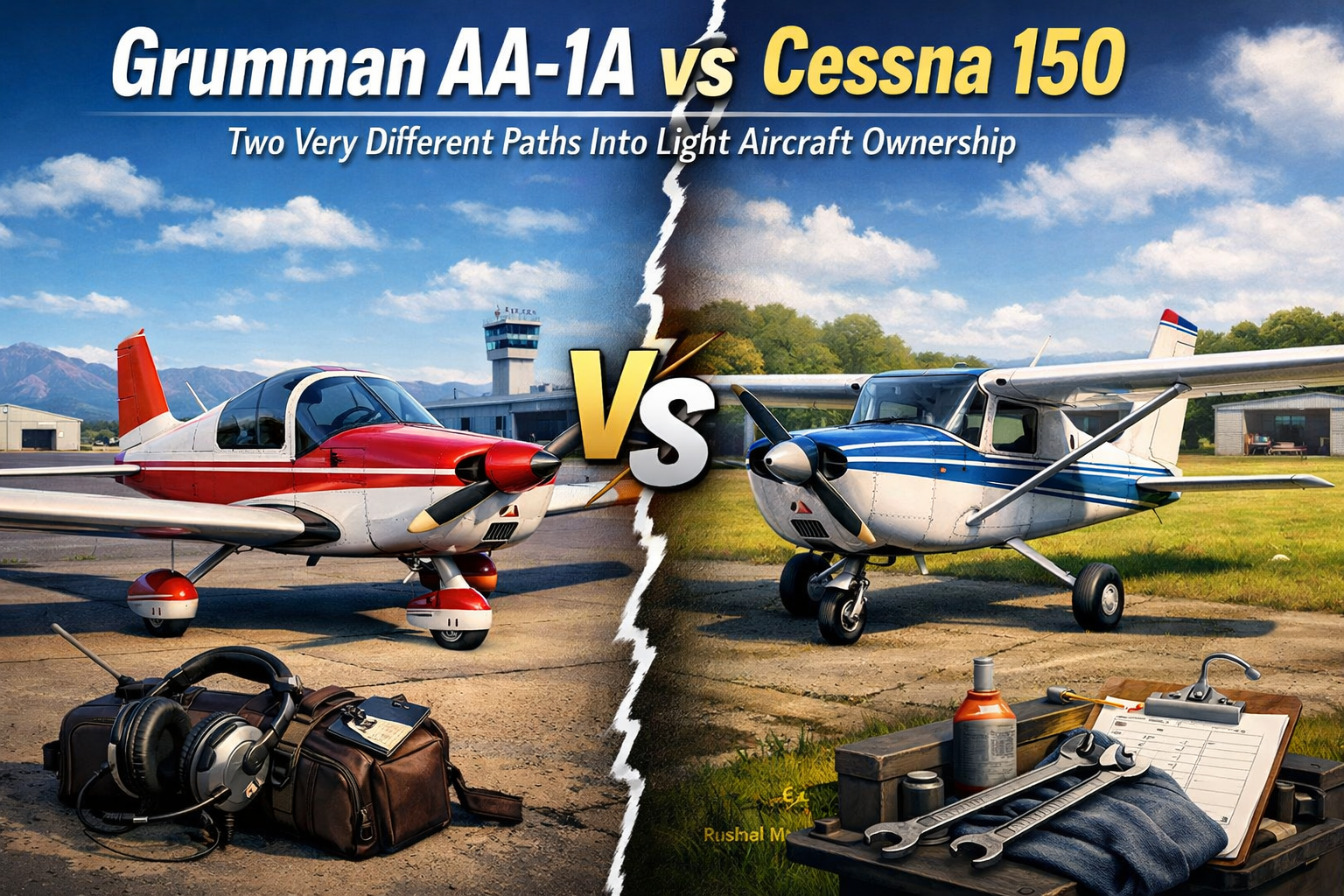
The Cessna 150 remains one of the easiest vintage two-seat aircraft to understand. It has a huge installed base, broad mechanic familiarity, a forgiving reputation, and a very clear use case. It is not glamorous, but that is part of the value. Many owners choose it precisely because it is straightforward.
If your priority is predictable ownership and a broad support ecosystem, the Cessna 150 remains hard to dismiss.
Grumman AA-1A: The Character Choice
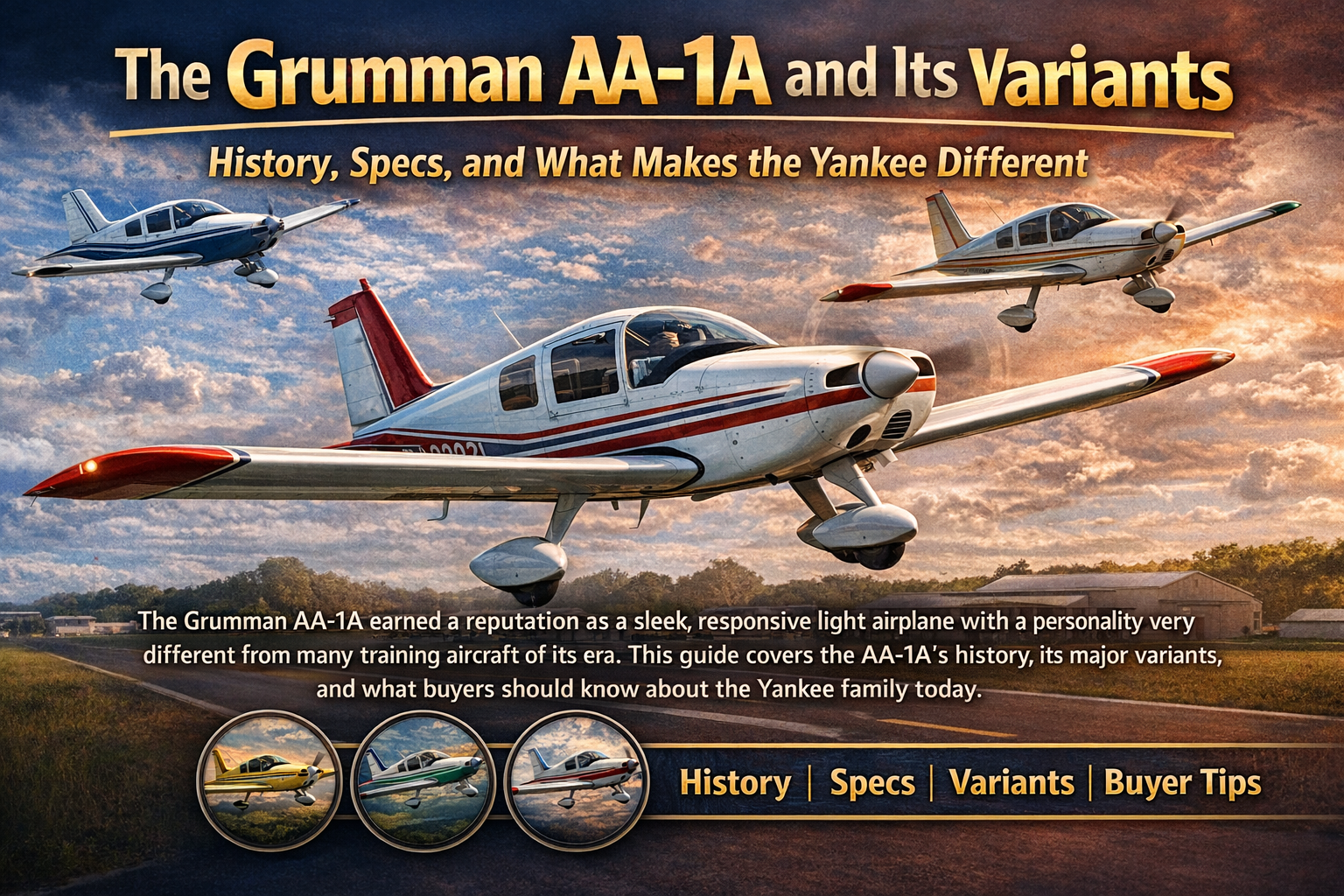
The AA-1A appeals to owners who want something more responsive and visually distinctive. It offers a low-wing layout, a cleaner profile, and a more sporting feel than the average trainer-class aircraft. That personality is real, and for some pilots it is the entire point of ownership.
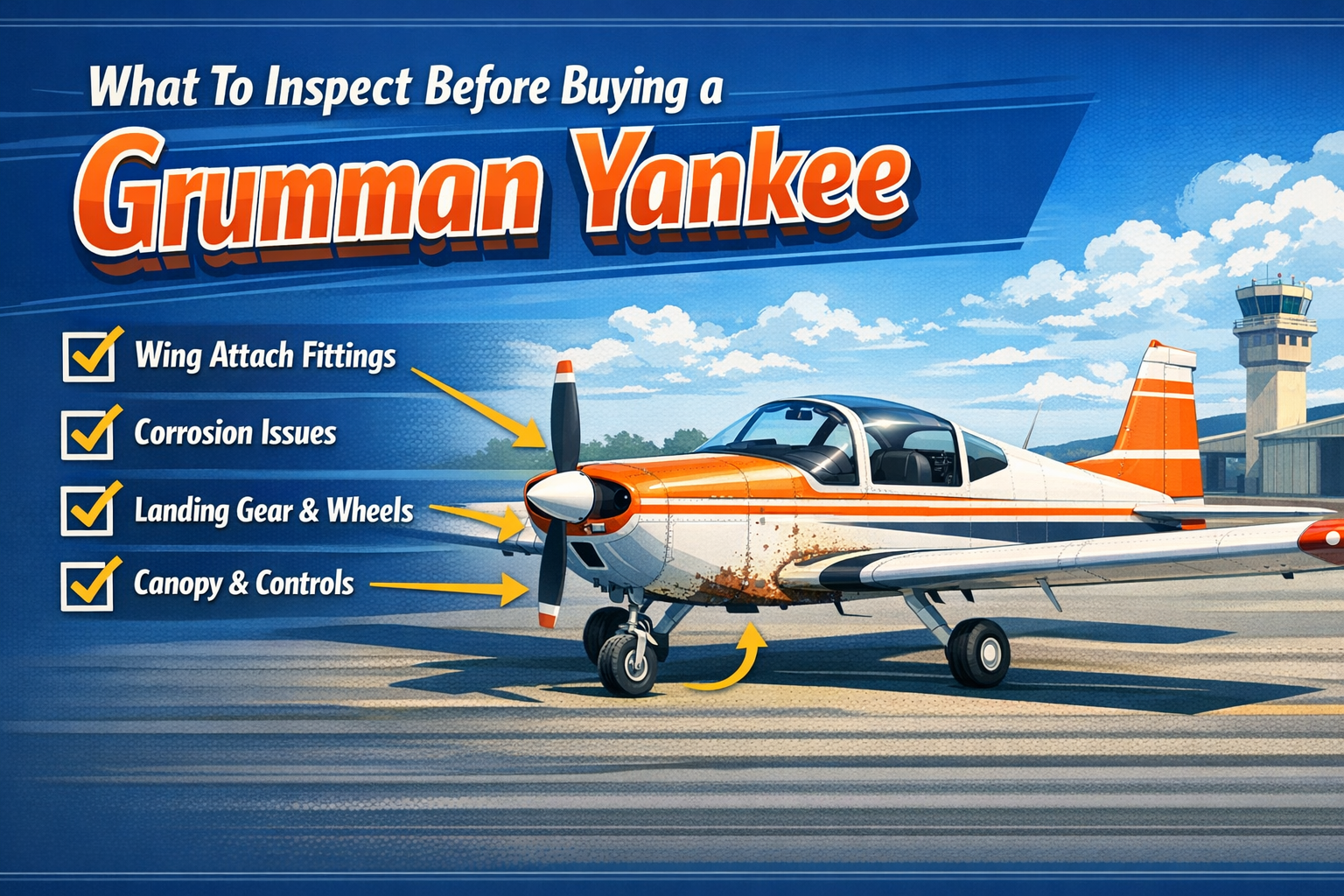
But the AA-1A also demands better type-specific evaluation. A strong pre-buy is essential, and buyers should be honest about whether they want charm plus diligence or sheer simplicity.
Piper Tomahawk: The Honest Alternative
The Piper Tomahawk remains one of the more debated two-seat airplanes in the market, but it still deserves a serious look from the right buyer. It can be an honest trainer and a reasonable ownership option when purchased carefully. Like any vintage aircraft, condition, records, and support matter far more than internet reputation alone.
For some owners, the Tomahawk occupies a middle ground between commonality and individuality. The trick is buying the airplane in front of you, not the forum narrative surrounding the type.
How to Choose Well
A smart vintage two-seat buyer should focus on five things: records quality, engine reality, corrosion exposure, avionics supportability, and mission honesty. If an aircraft clears those filters, then personality and preference can start to matter. If it does not, the name on the tail is secondary.
That is what separates a good purchase from a romantic mistake. The right vintage two-seat airplane can be deeply satisfying to own. The wrong one can become a cheap airframe with expensive lessons attached.
The Best Airplane Is the One That Fits
There is no universal winner in the vintage two-seat category. There are only better and worse matches for specific owners. If you want predictability, the Cessna 150 keeps earning its place. If you want personality, the AA-1A becomes more attractive. If you want a less obvious but still viable option, the Tomahawk deserves real consideration.
The best buy is the one that fits your flying, your budget, and your willingness to manage an older machine intelligently.